The problem with “clearing the land”
When people think of drainage, they often think of bulldozers: strip the vegetation, dig a straight concrete channel, and move on. It works on paper. On the ground it can destroy the very plants, soil and trees that slow rain down in the first place.
A park is different from a car park. Its green cover is part of the water system. Roots hold the soil, leaves break the force of heavy rain, and open ground soaks up water before it ever reaches a drain.
What we did at Maitama Amusement Park (2024)
At Maitama Amusement Park in Abuja, AutoBill & Building Construction Limited planned and built a drainage system designed to preserve the park’s natural biome. The aim was simple: give storm water a clear, safe path without wiping out the green setting that makes the park worth visiting.
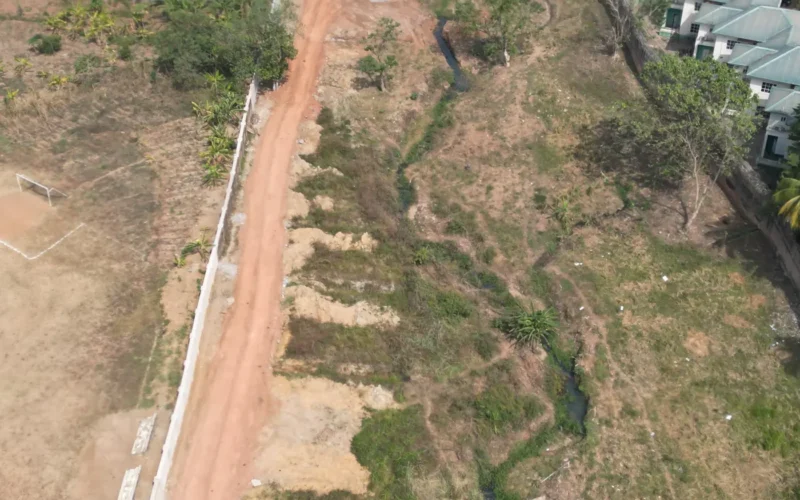
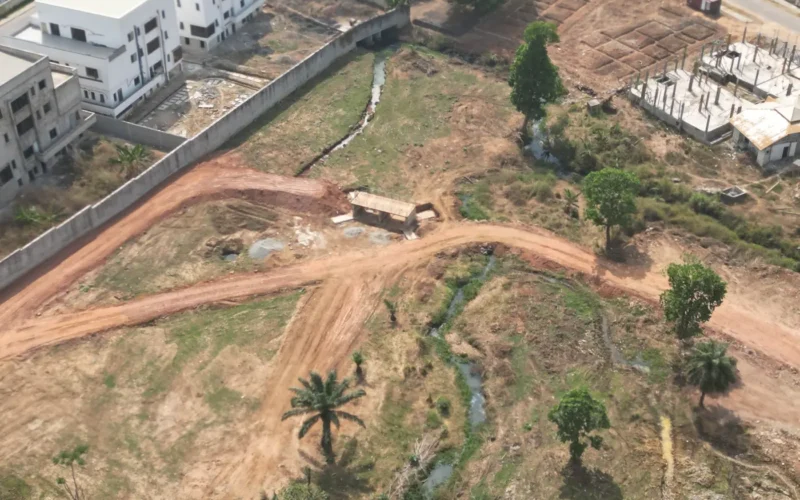
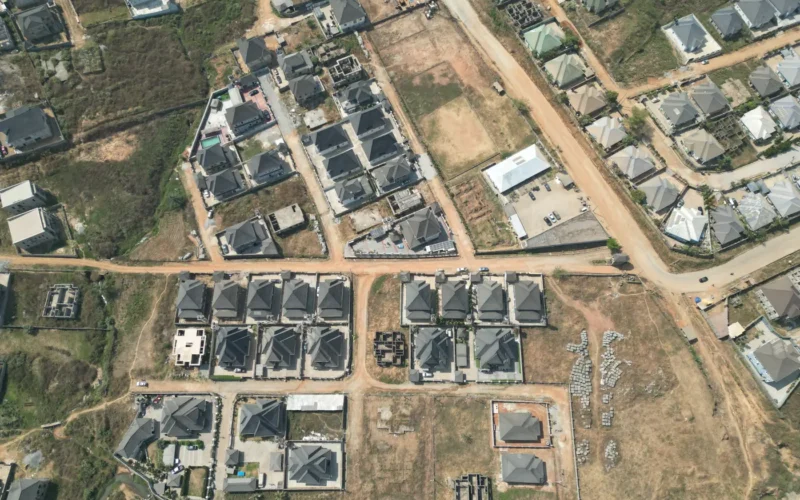
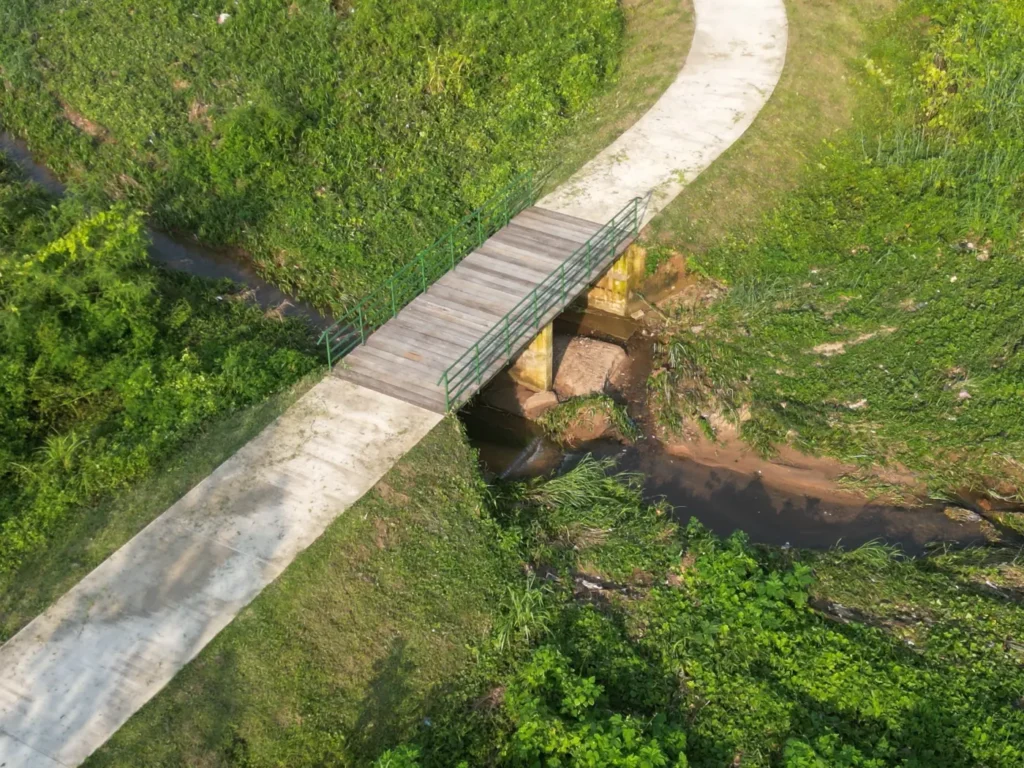
In the drone photos you can see the result: a drainage channel that follows the natural line of the land, concrete footpaths that stay above the water, a footbridge where a path crosses the channel, and culverts that let water pass underneath. Trees and vegetation stand right beside the works.
Five ideas you can borrow
- Follow the land. Look at where water already flows after rain and build along those lines instead of fighting them.
- Disturb as little as possible. Mark the trees and areas to keep before work starts, and keep machines out of them.
- Bridge, don’t block. A footbridge or culvert lets people and water cross each other without damming the channel.
- Keep paths slightly raised. Footpaths that sit above the channel stay usable after heavy rain.
- Leave soft ground. Grass and planted edges absorb water, so not everything needs to be concrete.
Why this matters for Nigerian cities
Flooding is one of the most visible effects of heavier rain in our cities. Drainage that respects green space does two jobs at once: it protects people and property from water, and it keeps the trees and soil that cool the neighbourhood and slow runoff.
Planning a park, estate or school compound?
Bring us the site early. A short walk over the land with a quantity surveyor and a sustainability scientist can show where the water goes, what to protect and what it will cost. Write to contact@autobillconst.com.
Images are from our completed work at Maitama Amusement Park, Abuja (2024).