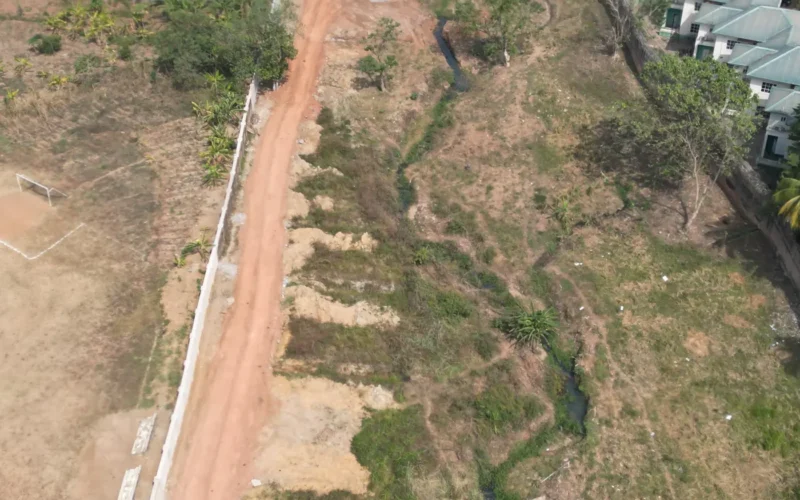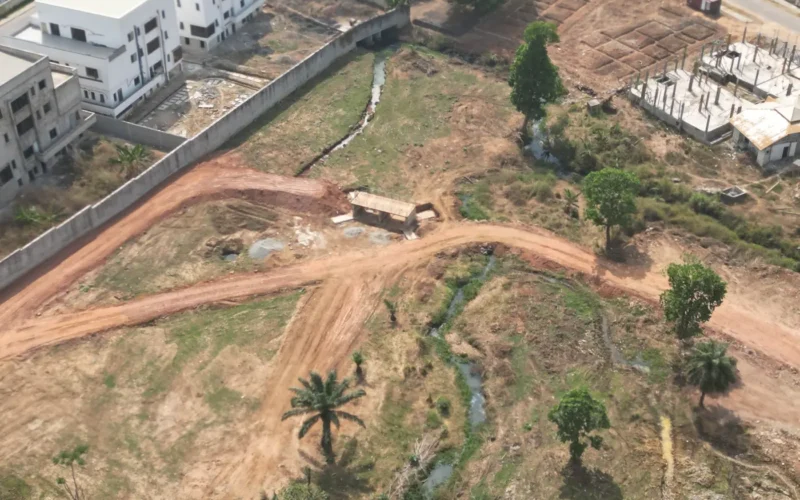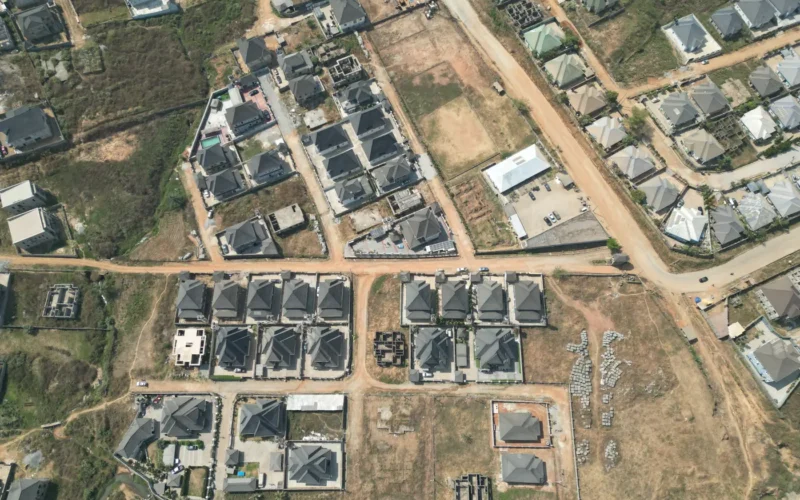

The problem with solid paving
When a compound is fully covered in concrete or tarmac, none of the rain can soak in. It all runs off at once into the street, adding to the load on drains and to flooding downstream.
What permeable paving is
Permeable paving lets water pass through the surface or through gaps between the blocks, into a layer of stone beneath, and then slowly into the soil. Common types include:
- Interlocking blocks with gaps filled with fine gravel
- Grass or gravel grids that hold a loose surface in place
- Open-textured paving materials made to let water through
Where it works well
- Parking areas and driveways
- Footpaths and walkways
- Courtyards and school compounds
What to check first
- Soil. Clay soil drains slowly, so the design may need a drain under the stone layer.
- Slope. Water should be able to move away from buildings.
- Load. Heavy vehicles need a stronger base.
- Upkeep. Gaps can clog with silt, so sweep and clean regularly.
A balanced approach
You do not have to give up solid roads. Use solid surfaces where heavy traffic needs them and permeable ones elsewhere, together with planted areas and a proper drain. A short site visit can show what suits your plot. Contact contact@autobillconst.com.