The urban heat island
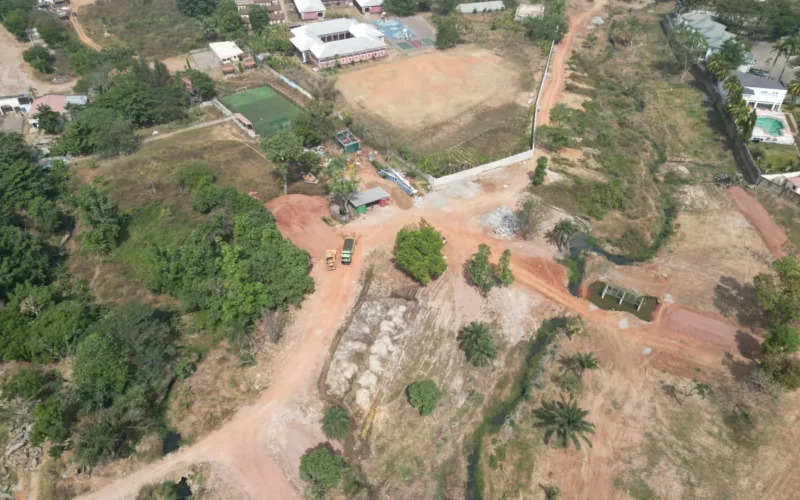
On a hot afternoon, a bare concrete yard and a shady garden feel completely different. Hard surfaces such as roofs, roads and walls absorb sunshine all day and give the heat back slowly into the evening. A dense city full of these surfaces stays warmer than the countryside around it, especially at night. Scientists call this the urban heat island.
How trees help
- Shade. A tree keeps the sun off walls, roofs and pavements before it can heat them.
- Cooling from leaves. Trees release water vapour, which cools the air around them.
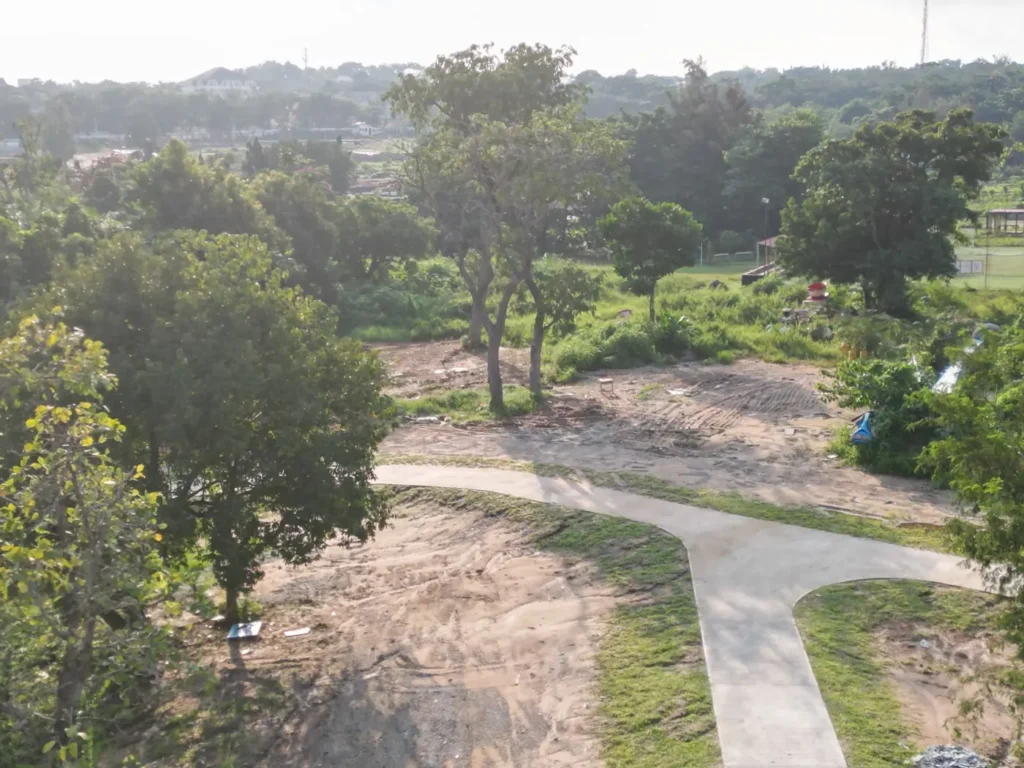
- Soft ground. Soil and grass absorb rain instead of shedding it, which also helps with flooding.
What to do on your own plot
- Plant shade trees on the west and east sides of the building.
- Replace bare paving with grass, planting beds or permeable paving where you can.
- Choose species suited to the local climate and keep roots away from foundations and drains.
- Paint roofs a light colour to reflect heat.
What cities can do
Street trees, protected green belts and parks are not luxuries. They are low-cost cooling and drainage for everyone, and they are far cheaper to plan into a new estate than to retrofit later.
Planning an estate or compound and want landscaping that cools and drains? Contact contact@autobillconst.com.